The culinary world is a fascinating tapestry woven with threads of tradition, innovation, and global influences. Few dishes exemplify this better than moo shu chicken, a Chinese-inspired stir-fry that has captured hearts and palates worldwide. But what many diners might not realize is that the "moo shu chicken" they enjoy at their local American-Chinese restaurant often differs significantly from its classic, more traditional Chinese counterpart. Understanding these delicious distinctions isn't just about ingredients; it's about appreciating culinary evolution and the diverse flavors it creates.
What Exactly is Moo Shu Chicken? Unpacking a Stir-Fry Favorite
At its core, moo shu chicken is a vibrant Chinese stir-fry dish featuring tender chicken, an assortment of fresh vegetables, and eggs, all brought together by a savory, aromatic sauce. It's a versatile meal, celebrated for its satisfying blend of textures and flavors. Originally, moo shu, sometimes spelled "mu shu," traces its origins to Northern China, particularly Beijing, where it was often prepared with pork.
However, like many dishes that travel across continents, moo shu chicken has undergone a transformation, adapting to local tastes and available ingredients. This adaptation has led to two distinct, yet equally delicious, variations: the classic, more traditional Chinese rendition and the popular American-Chinese interpretation that has become a staple on countless takeout menus.
The American-Chinese Evolution: A Sweet and Savory Handheld Delight
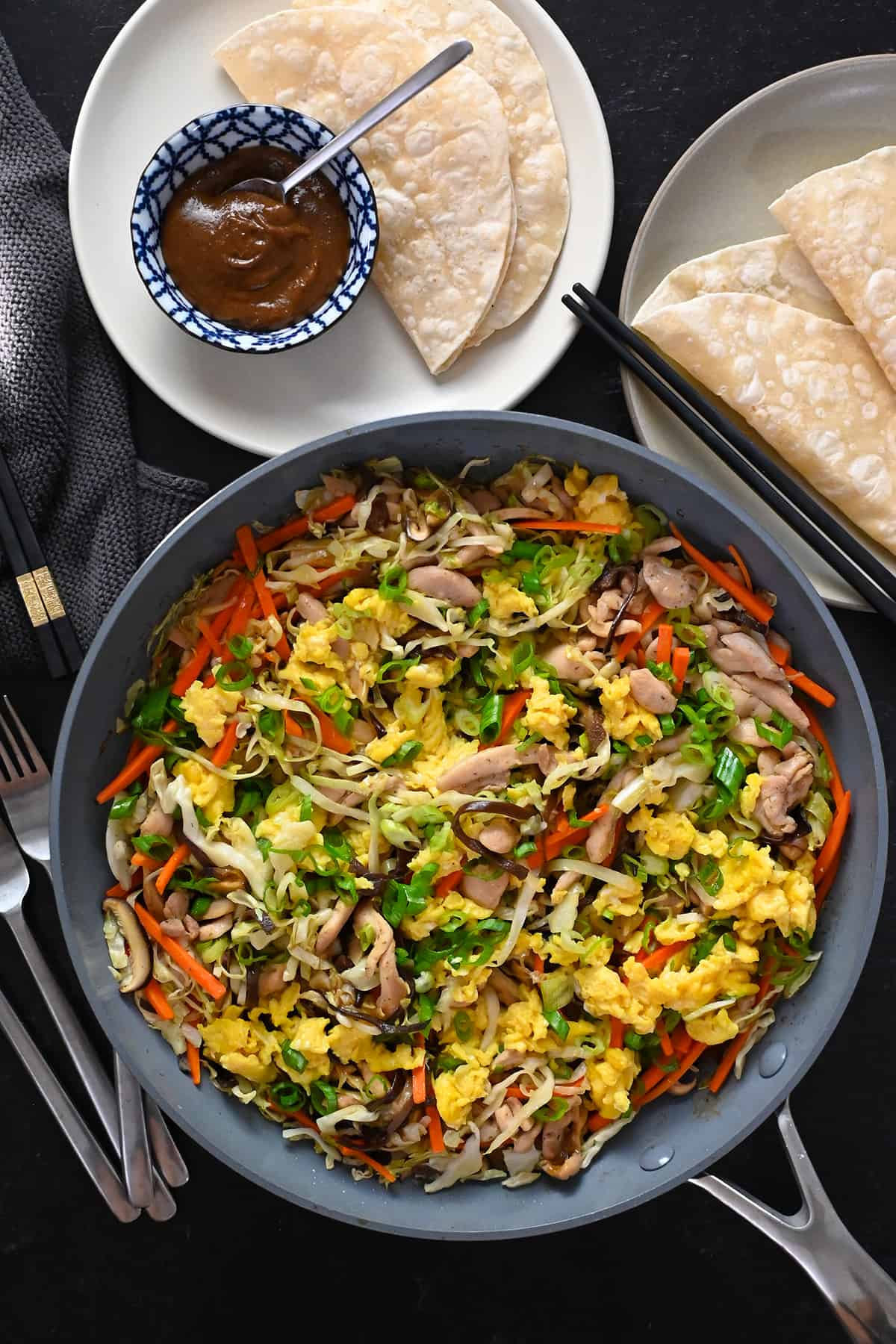
When you order moo shu chicken in a Western restaurant, you're likely to encounter a dish that is a delightful symphony of sweet, savory, and umami notes, often served as a build-your-own wrap. This iteration is celebrated for its robust flavors and its satisfying, comforting quality.
Key Characteristics of American Moo Shu Chicken:
- Tender Marinated Chicken: Typically featuring thinly sliced chicken breast or thigh, marinated for tenderness and flavor absorption.
- Hearty Vegetable Mix: The stir-fry is generously loaded with crunchy vegetables. Common additions include shredded cabbage, various mushrooms (such as button or cremini), and sometimes carrots. These provide essential texture and freshness to every bite.
- Fluffy Egg Strips: Scrambled eggs, cooked lightly and then incorporated into the stir-fry, add a pleasant texture and richness, often described as "fluffy."
- The Distinctive Sauce: This is arguably where American moo shu chicken truly shines. The sauce is a rich, often thickened blend that combines:
- Soy Sauce: For essential umami and saltiness.
- Hoisin Sauce: A sweet and savory Chinese barbecue sauce that provides a deep, complex flavor and signature sweetness.
- Rice Vinegar: To balance the richness with a tangy counterpoint.
- Sesame Oil: Adding a nutty aroma and depth.
- Aromatics: Fresh garlic and ginger are crucial for a bright, fragrant foundation.
- Serving Style: Traditionally served with soft, paper-thin Mandarin pancakes (also known as Chinese crepes) or warm flour tortillas. Diners spread a dab of hoisin sauce on the pancake, add a spoonful of the filling, and wrap it up like a savory burrito. This interactive, handheld experience is a significant part of its appeal.
- Garnishes: Fresh green onions and cilantro often provide a bright, herbaceous finish, adding a final layer of flavor and visual appeal.
The popularity of this version stems from its incredible flavor profile and its accessibility. It's the kind of dish that effortlessly combines the familiar with the exotic, making it a go-to weeknight stir-fry with savory-sweet flavors that many families crave. Moreover, it's surprisingly simple to recreate at home. Many home cooks discover that their easy homemade moo shu chicken recipe outshines takeout, offering fresher ingredients and customizable flavors.
Unpacking the Roots: What Defines Classic Moo Shu?
Venturing into the realm of classic, more traditional Chinese moo shu reveals a dish with a different character, reflecting the nuances of Northern Chinese culinary traditions. While it shares the core concept of a stir-fry with meat, vegetables, and eggs, the execution and flavor profile are notably distinct.
Key Characteristics of Classic Moo Shu:
- Specific Traditional Vegetables: Instead of cabbage and carrots, classic moo shu often features ingredients like:
- Cucumbers: Adding a crisp, refreshing element.
- Lily Flowers (Daylily Buds): Offering a unique, earthy, and slightly floral aroma.
- Wood Ear Mushrooms (Cloud Ear Mushrooms): Known for their delicate crunch and subtle earthy flavor.
- Lighter Sauce: The sauce in classic moo shu is typically much lighter, closer to a savory broth. It's less sweet, less thick, and allows the natural flavors of the individual ingredients to shine through more prominently. The focus is on umami and savory notes, with less emphasis on the robust sweetness found in its American counterpart.
- Serving Style: Traditionally, classic moo shu is served directly over steamed white rice, allowing the lighter sauce to meld with the grains, creating a wholesome and balanced meal. The handheld wrap concept is largely an American innovation.
- Flavor Profile: The overall taste is more subtly savory, earthy, and nuanced. It prioritizes the inherent flavors of the unique vegetables and a balanced, less assertive sauce.
The differences are not about one version being "better" than the other, but rather about catering to different palates and cultural contexts. The traditional version offers a glimpse into authentic Chinese flavors, emphasizing natural ingredients and a delicate balance, while the American version provides a bolder, sweeter, and more familiar experience for Western diners.
Homemade vs. Takeout: Why Your Kitchen Wins with Moo Shu Chicken
Regardless of whether you lean towards the American or classic style, making moo shu chicken at home presents significant advantages over ordering takeout. The references consistently highlight that homemade versions are "a hundred times better" and "much better than takeout." Here’s why:
- Freshness You Can Taste: When you cook at home, you control the quality and freshness of every ingredient. Crisp vegetables retain their vitality, and chicken is cooked to perfection, avoiding the often-overcooked or greasy textures sometimes found in takeout.
- Customization and Control:
- Dietary Needs: Adjust the amount of oil, sodium, or sugar to suit your dietary preferences.
- Ingredient Swaps: Not a fan of mushrooms? Swap them for bell peppers! Want more heat? Add some chili flakes. For a vegetarian option, simply omit the chicken and boost the vegetables or add tofu.
- Spice Level: Tailor the sauce to your preferred sweetness or savoriness.
- Ease and Speed: Despite its gourmet appeal, moo shu chicken is surprisingly easy and quick to prepare, often coming together in a single pan within minutes once ingredients are prepped.
- Smart Shortcuts: Don't want to shred cabbage? A bag of pre-packaged coleslaw mix is a fantastic time-saver. Pre-sliced shiitake mushrooms are also readily available.
- Mandarin Pancakes: No need to make them from scratch; these thin crepes are easily found in Asian grocery stores.
- Cost-Effective: Preparing moo shu chicken at home is almost always more economical than ordering multiple takeout portions, especially for a family meal.
- The Joy of Cooking: There's immense satisfaction in creating a delicious, restaurant-quality meal from scratch, knowing exactly what went into it.
These practical benefits make moo shu chicken an ideal candidate for your regular weeknight dinner rotation, proving that incredible flavor doesn't have to be complicated or confined to restaurant kitchens.
Bridging the Divide: Why Both Versions Are Culinary Winners
Ultimately, both the American and classic interpretations of moo shu chicken stand as testament to the enduring appeal of Chinese stir-fries. They showcase how a dish can evolve, adapt, and thrive in different culinary landscapes, offering unique experiences without diminishing the value of its origins.
The American version, with its rich, sweet-savory sauce and satisfying wrap format, offers a comforting, accessible, and often more indulgent experience. It's a testament to the creativity of immigrant cooks who fused traditional techniques with available ingredients and local preferences to create something new and beloved. The classic version, on the other hand, provides a more subtle, earthy, and historically rooted flavor profile, inviting diners to explore the delicate complexities of traditional Chinese cuisine.
Whether you crave the robust, handheld delight of American moo shu chicken or the lighter, nuanced flavors of its classic counterpart served over rice, you are embarking on a delicious journey. Each bite offers a story of culinary heritage and innovation, proving that diversity in food is truly a cause for celebration.
From its humble beginnings in Northern China to its widespread popularity as a global takeout favorite, moo shu chicken exemplifies the dynamic nature of food. The distinct differences between the classic and American versions highlight how culture, ingredients, and palate preferences shape a dish, yet both share an undeniable deliciousness that keeps diners coming back for more. So, the next time you encounter this beloved stir-fry, whether at a restaurant or in your own kitchen, take a moment to appreciate the rich history and flavorful journey that makes moo shu chicken such a culinary marvel.
